Nuclear Medicine as the name suggests uses trace amounts of radioactive materials inside the body to see the functioning of tissues and organs. It helps in both diagnosis and targeted treatment of diseases.
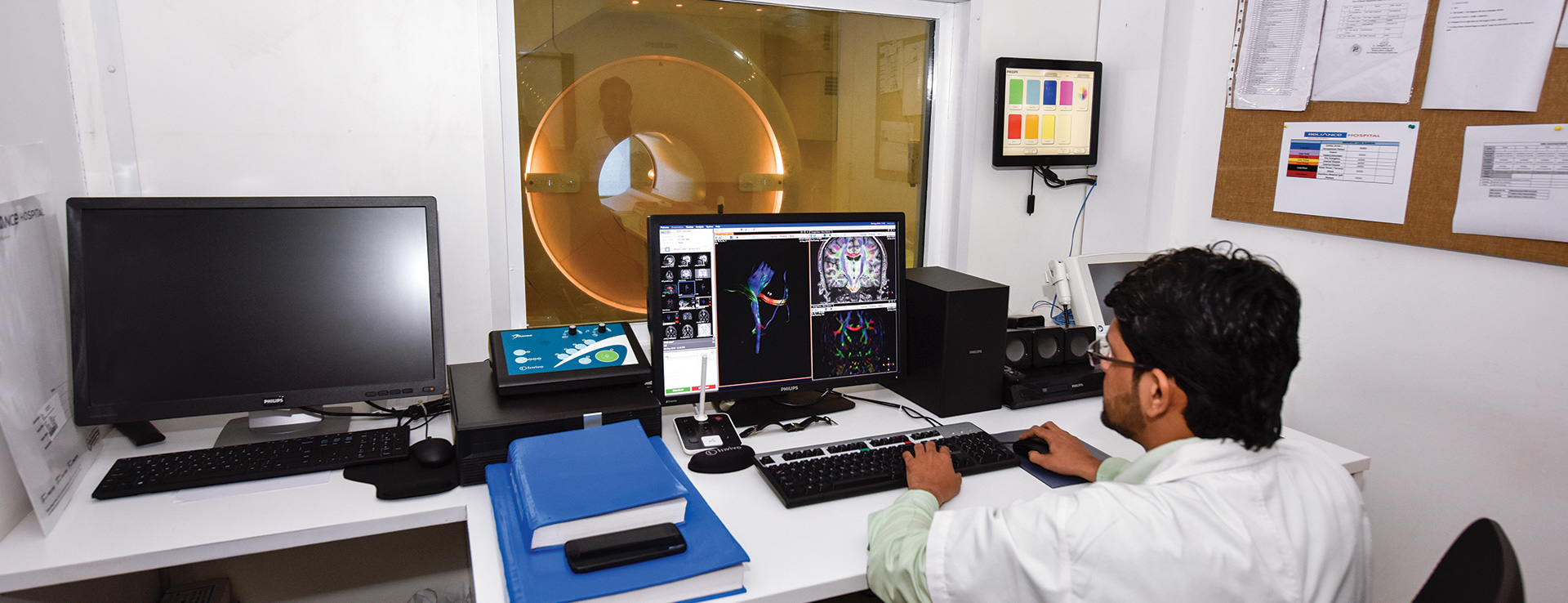
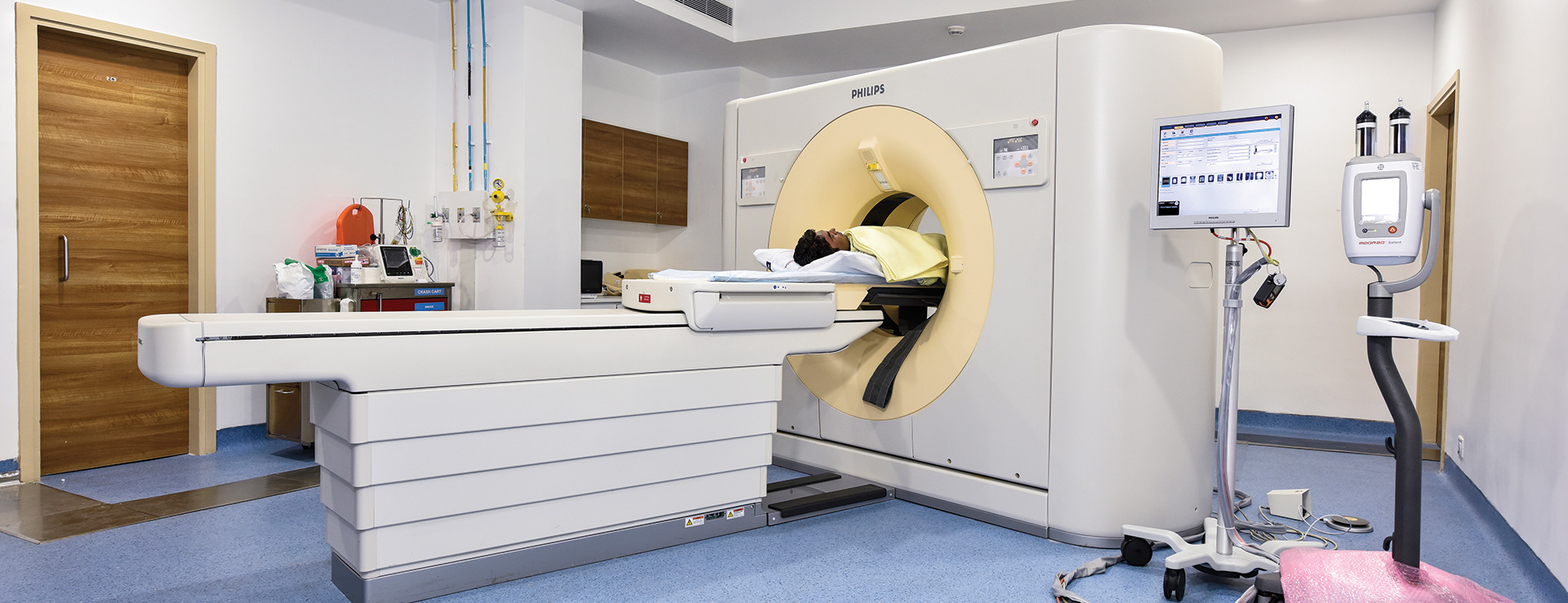
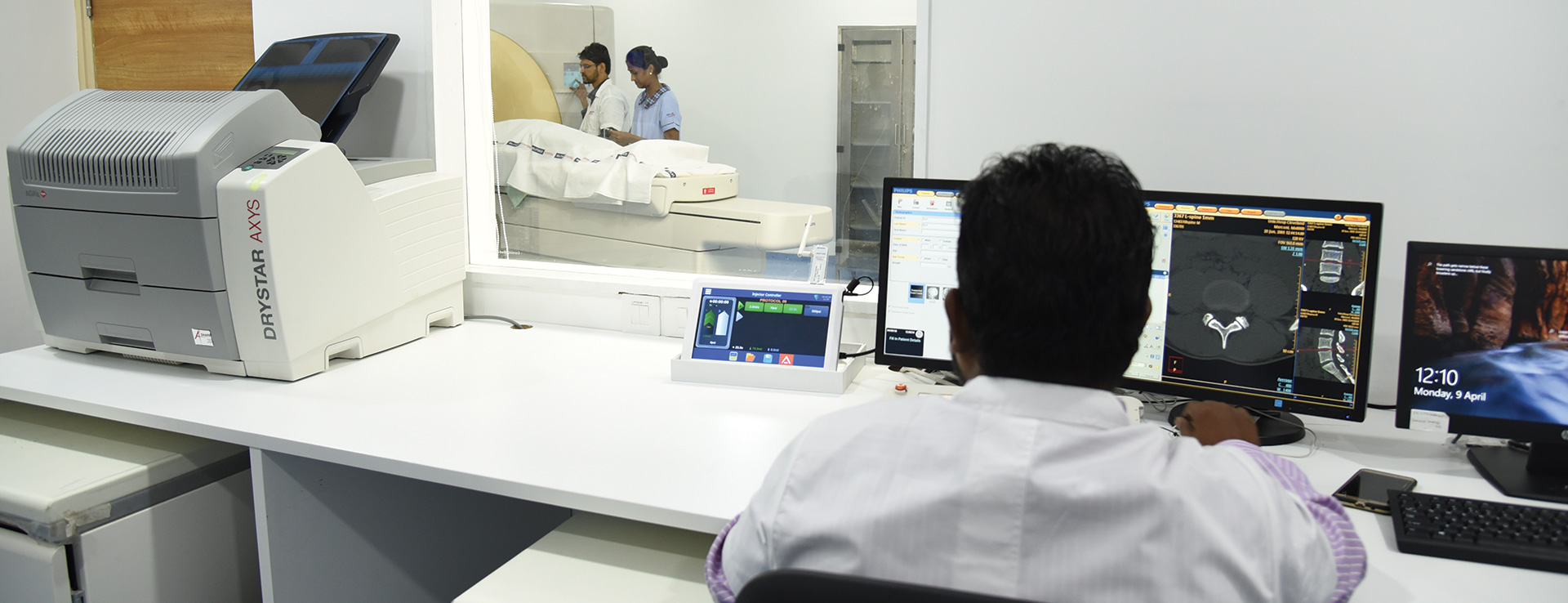
The Department of Nuclear Medicine uses highly advanced machinery like Positron Emission Tomography (PET) scan, gamma camera, and SPECT scan (single photon emission computed tomography) for functional imaging.
How & where is it helpful?
Thyroid Disorders: Nuclear medicine can assess thyroid function, and detect hyperthyroidism, hypothyroidism, and thyroid nodules.
Cardiovascular Conditions: It helps in diagnosing heart conditions like coronary artery disease and evaluating heart function.
Cancer: Nuclear medicine scans are useful for cancer staging, assessing response to various treatments, and for suspected recurrence.
Bone and Joint Abnormalities: It can detect fractures, bone infections, bone tumors, and metabolic bone disorders and evaluate joint conditions like arthritis.
Infection Localization: It aids in pinpointing the site of infections in case of unexplained fever.
Gastrointestinal Issues: Nuclear medicine helps in evaluating conditions like gastroesophageal reflux disease (GERD), assessing stomach emptying and to localise site of gastrointestinal bleeding.
Kidney Function: It can detect kidney diseases and assess renal function.
Gallbladder Function: Useful in diagnosing biliary obstruction, bile leak, bile reflux and assessing gallbladder function.



 View Doctors